
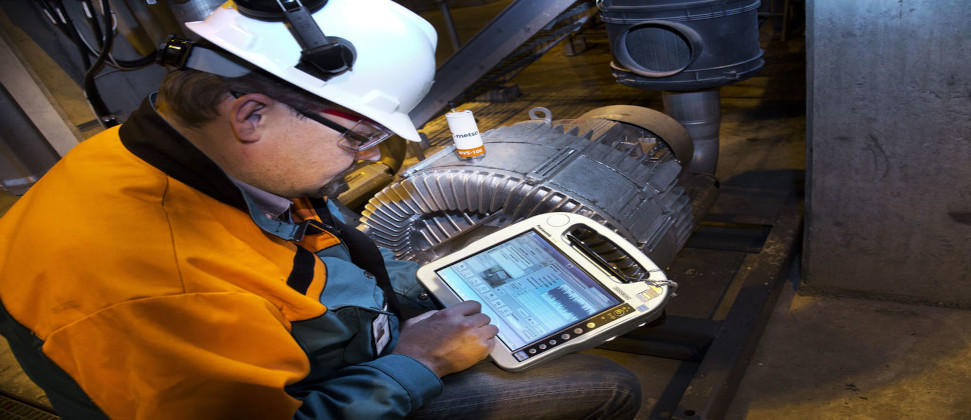
Reliability-Centered Maintenance (RCM) Training: Optimize Asset Performance and Minimize Risk
Master the Strategic Approach to Proactive Maintenance
Reliability Centered Maintenance (RCM) is a systematic approach that ensures optimized maintenance of your assets based on their reliability, performance, and criticality.
This comprehensive Reliability-Centered Maintenance (RCM) training course provides a practical understanding of how to prevent equipment problems, select appropriate maintenance strategies, leverage maintenance history, and effectively implement plans. RCM is more than just improving routines; it's a strategic approach to maintaining and operating complex systems, addressing the challenge of preventing system failure..
What You Will Learn
This course covers the core principles and practical application of RCM, including:
- RCM Fundamentals: Understand the core concepts of RCM, its integration with overall maintenance strategy, and its role in managing the risks of equipment failure.
- The RCM Process: Learn the iterative RCM analysis process, including identifying system functions, failure modes, and analyzing their effects.
- Developing Effective Maintenance Strategies: Design optimal maintenance strategies for plant and equipment, selecting appropriate primary and secondary maintenance actions for specific failure modes.
- Implementing and Managing an RCM Program: Gain the skills to establish, manage, and audit a modern RCM program, including developing action plans based on systematic evaluations.
- Data Analysis and Improvement: Learn to leverage failure data, industry standards, and databases to drive continuous improvement.
- Risk-Based Decision Making: Make informed decisions regarding spare parts inventory and resource allocation based on risk assessment
- Condition Monitoring and Predictive Maintenance: Choose appropriate technologies for condition monitoring and predictive maintenance to optimize maintenance schedules.
- Reliability Growth Principles: Apply reliability growth principles to new, existing, and aging equipment, combining RCM with practical, real-world applications.
- Teamwork and Leadership in RCM: Understand the importance of teamwork, and develop skills in planning, leading, and participating effectively in RCM review team analyses
- Using RCM Tools: Become proficient in using RCM tools, including populating RCM Function Sheets and RCM Analysis Sheets.
Course Objectives:
Upon completion of this course, participants will be able to:
- Grasp the processes required to implement and manage an RCM program.
- Analyze and devise action plans from a systematic evaluation of the maintenance program.
- Perform audits on operational and maintenance performance.
- Design optimal maintenance strategies for plant and equipment.
- Utilize RCM results to enhance maintenance performance.
- Outline a clear approach for reliability improvement.
- Choose appropriate technologies for condition monitoring and predictive maintenance.
- Leverage failure data, industry standards, and databases.
- Introduce reliability growth principles.
- Make informed risk-based decisions regarding spare holdings.
- Strategically address failure modes.
- Participate effectively in RCM teams and lead RCM analyses
Who should attend?
- Senior Operators responsible for system operation
- Reliability Engineers
- Maintenance Managers and Technicians
- In-service Engineers
- Facilities Managers
- Production and Plant Leadership
Course Benefits
By adopting RCM principles, organizations can:
- Extend asset life
- Reduce downtime
- Increase safety
- Optimize maintenance costs
- Maintain a competitive edge